
The 250 Commission of Ohio continues to build up America’s 250th anniversary next year and this includes history conversations.
The latest online meeting explored the French and Indian War and other conflicts in the Ohio country.
One speaker was Tammi Shrum, site director of Historic Zoar Village and Fort Laurens. She offered her take on what was happening in Ohio country in the 1750’s and 1760’s.
“This land was rich in resources, and it was strategically located and it became a pressure point between the America Indian Nations, European empires, and the American settlers. Throughout the mid to late 1700’s a series of conflicts emerged here driven by land disputes, military campaigns, and the ongoing tug of war of control.”
She notes that one major clash was due to squatters.
“Settler, often of European descent, who illegally moved to the Ohio country despite treaties that designated the land for American Indian Nation. These squatters weren’t just farmers looking for opportunity. Their presence violated diplomatic agreement, provoked violence, and destabilized relations between native nations and colonial governments. Entering the territory you also had traders and missionaries, such as the Moravian Missionaries who founded Schoenbrunn and Gnadenhutten. After the French and Indian War ended, in 1763, the British issued the royal proclamation line, which was meant to limit westward expansion with no British settlement past Allegheny mountains.“
 Settlers continued to push west which provoked violence, broke diplomatic agreements, and established nations. Shrum notes that in response the British military launched expeditions. In 1778 the treaty of Fort Pitt was signed.
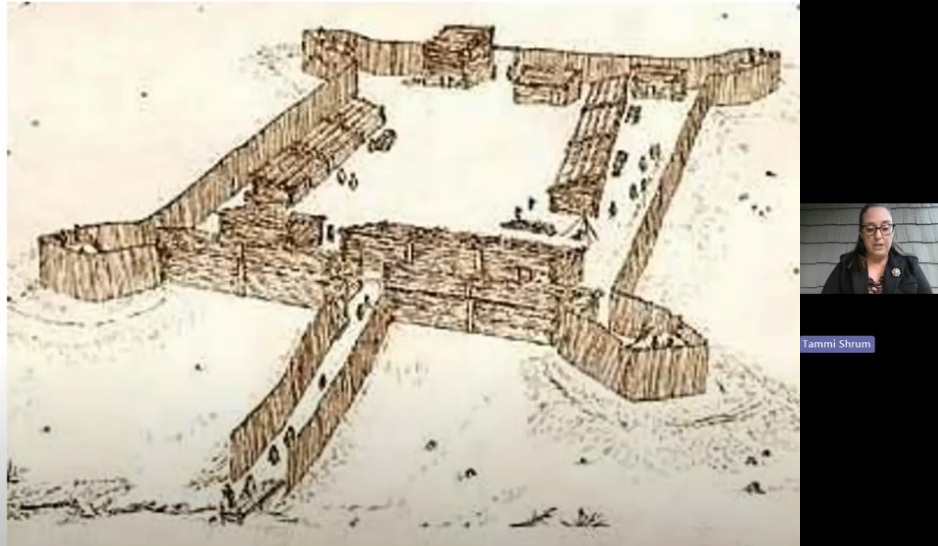
“This was the first treaty signed between the new United State government and an American Indian tribe. The Lenape agreed to allow the US to build a fort on their land to help protect their people. the Continental Army built Fort Laurens outside of modern-day Bolivar. The fort was to be used as a base for launching attacks against British aligned American Indian groups. Located along the Tuscarawas River, Fort Laurens was strategically important but poorly supplied and vulnerable, and in early 1779 the fort came under siege.”
The commission’s Ohio & The Revolution quarterly webinar will continue to explore what Ohio looked like and what happened leading up to the US’s declaration of Independence in 1776. Episode 3 can still be viewed at america250-ohio.org.
Copyright WTUZ Radio Inc., 2025